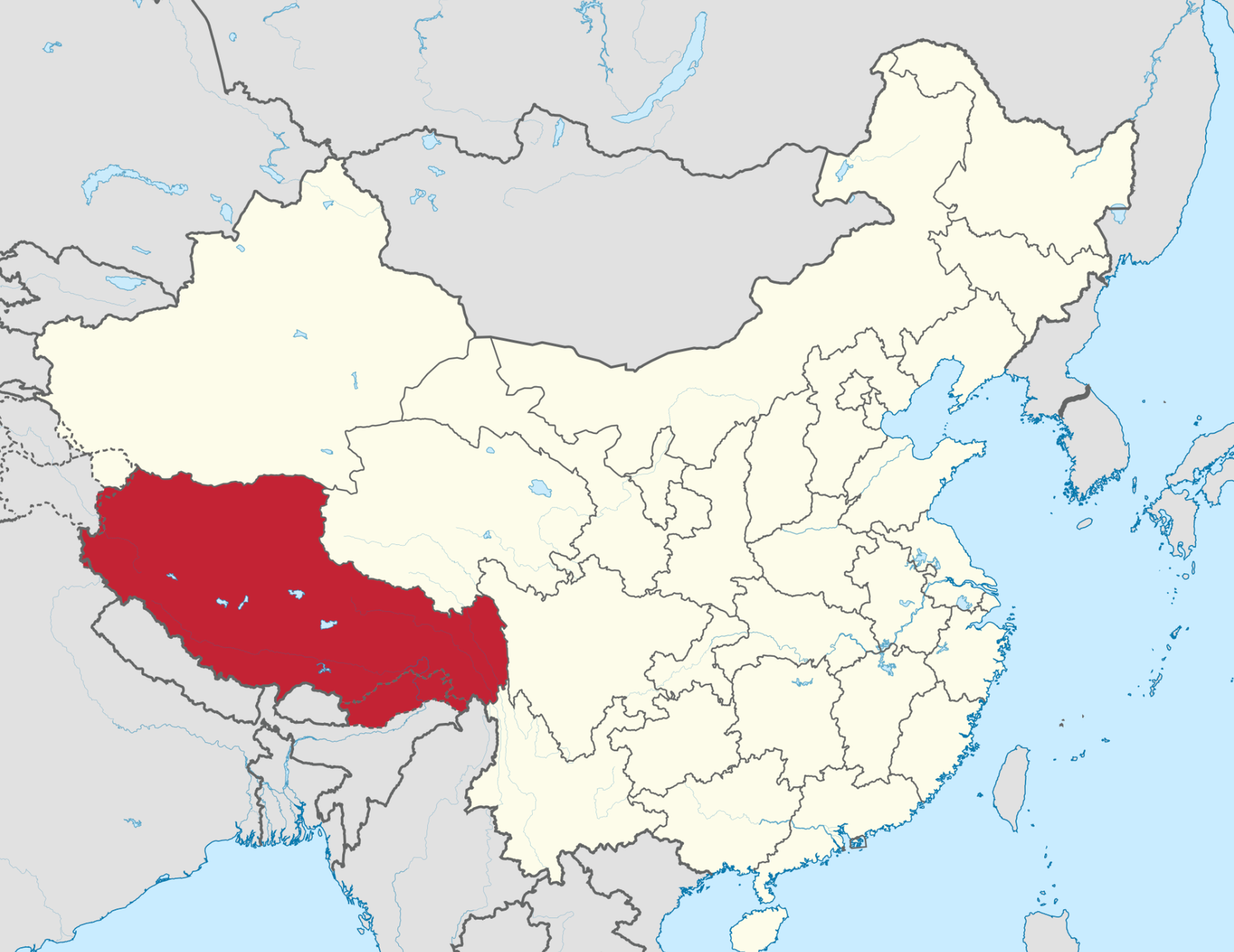
Dalai Lama’s Succession Revives Sino-Indian Conflict Over Tibet
The succession of the Dalai Lama has revived the Sino-Indian conflict over Tibet. China rejects Tibetan claims on the succession procedure, asserting that only Beijing can sanction the successor. The current 14th Dalai Lama, Tenzin Gyatso, who turned 90 on July 5, insists that the successor must be chosen from outside China by the Gaden Phodrang Trust. India, which has hosted the Dalai Lama since 1959, is drawn into the dispute. Indian Minister Kiren Rijiju and Arunachal Pradesh CM Pema Khandu have supported the Tibetan stance. The Dalai Lama received the Nobel Peace Prize in 1989. China demands the golden urn method for selection, which the Dalai Lama calls spiritually illegitimate.
The succession of the Dalai Lama has revived the Sino-Indian conflict over Tibet. China rejects Tibetan claims on the succession procedure, asserting that only Beijing can sanction the successor. The current 14th Dalai Lama, Tenzin Gyatso, who turned 90 on July 5, insists that the successor must be chosen from outside China by the Gaden Phodrang Trust. India, which has hosted the Dalai Lama since 1959, is drawn into the dispute. Indian Minister Kiren Rijiju and Arunachal Pradesh CM Pema Khandu have supported the Tibetan stance. The Dalai Lama received the Nobel Peace Prize in 1989. China demands the golden urn method for selection, which the Dalai Lama calls spiritually illegitimate.
Low Confidence
Score: 0.50
The succession of the Dalai Lama has revived the Sino-Indian conflict over Tibet. China rejects Tibetan claims on the succession procedure, asserting that only Beijing can sanction the successor. The current 14th Dalai Lama, Tenzin Gyatso, who turned 90 on July 5, insists that the successor must be chosen from outside China by the Gaden Phodrang Trust. India, which has hosted the Dalai Lama since 1959, is drawn into the dispute. Indian Minister Kiren Rijiju and Arunachal Pradesh CM Pema Khandu have supported the Tibetan stance. The Dalai Lama received the Nobel Peace Prize in 1989. China demands the golden urn method for selection, which the Dalai Lama calls spiritually illegitimate.
This story involves 1 source and may affect public understanding of succession / tibet.
Angle: Primary coverage
Focus: Dalai Lama’s Succession Revives Sino-Indian Conflict Over Tibet
Unique detail: Dalai Lama’s Succession Revives Sino-Indian Conflict Over Ti...
Initial report published
Maldives Republic
Official government or institutional statement
Further reporting from additional sources
Public and social media reaction
Related policy or operational changes